
While induction cooking technology has been around for decades and these stoves have long been common in commercial kitchens, they are now trending in many regular people’s homes. An induction cooktop uses an electromagnetic field to heat up a pan while leaving the cooking surface cool to the touch and without heating up the kitchen. Even high-end gas or electric cooktops can’t perform the same as the induction. Upgrading to an induction appliance offers many benefits. Moreover, there are plenty of advantages when comparing it to gas or electric ranges. Not only are these induction cooktop ranges help you save on your energy bill, they also help you get meals faster to the dinner table and are easy to clean.
Advantages of using an induction cooktop:
Heats 50 percent quicker
Because the induction cooktop creates instant heat within the metal of pots and pans, no heat is wasted in the process. This means water will boil up to 50 percent faster on induction cooktops compared to electric cooktops.
Accurate temperature control
Induction allows you to control heat more precisely, as opposed to conduction whether electric and gas cooktops. This better temperature control reduces the risk of over or under cooking. Consistent heat delivers tasty results every time.
Easy to clean surface
Induction has a smooth surface, much like modern electric cooktops. However, because induction burners don’t heat the surface of the cooktop, you’ll never have to deal with cooked-on messes and spills. Almost immediately after you finish cooking, the cooktop itself will be cool enough to easily clean whatever mess is left behind.
Auto-sizing burners
Induction heats through an electromagnetic current passed into the pots and pans in use. Frigidaire induction cooktops uses pan detection to place heat where it’s needed, by automatically adjusting to cookware size.
An induction cooktop heats more quickly than gas or electric, saving energy as well as time. A 12,000-BTU gas burner takes 36 minutes to boil 5 gallons of water, but an 1,800-watt induction hob, or heating element, will boil the same 5 gallons in only 22 minutes. If you’re wondering, a watt is equal to 3.4 BTUs, so even in absolute terms, induction is still faster. Additionally, an induction cooktop responds immediately to temperature adjustments, so when you lower the heat, you’ll see the results right away—just like with a gas range. Most induction and ceramic cooktops feature digital touch controls meaning they are totally flat. This is great news when it comes to cleaning the induction cooktop. Most ceramic and induction cooktops are flat, smooth surfaces which means there are no crevices for food to fall into. This in turn means that cleaning the cooktop is usually just a case of wiping it down. However, because ceramic cooktops heat up, spilled food can bake onto the surface. It’s important to wipe spills from a ceramic cooktop when safe to do so. Leaving cooked or burnt food on the cooktop will only make cleaning and maintenance harder.
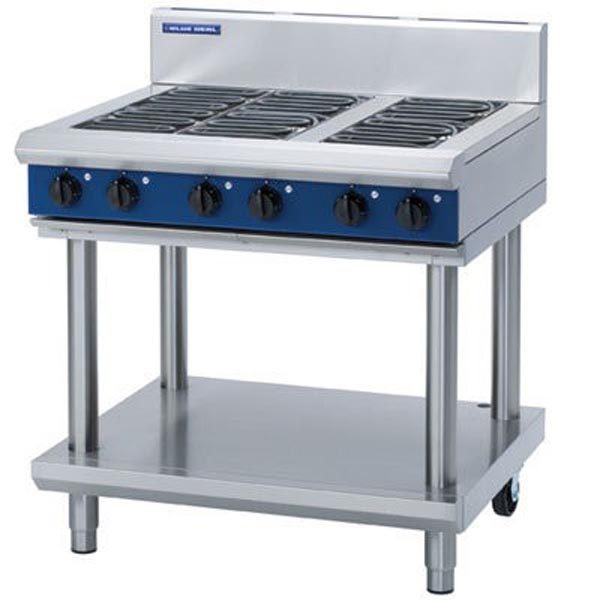
 Induction cooktop